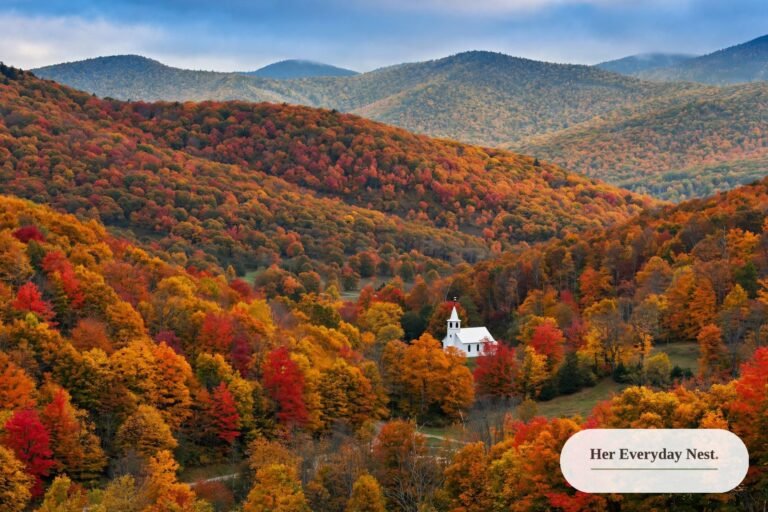

Cheap Vacations That Still Feel Like a Real Holiday
Cheap vacation ideas are not about settling for less. They are about choosing the places and the timing where your money goes further, so a weekend away feels like a real holiday instead of a watered-down version of one. The difference between a trip that feels cheap and a trip that feels wonderful is rarely the destination itself. It is whether you picked a place built for walking, swimming, hiking, and eating well without a ticket price on every single thing.
That is why the best budget trips in the US look so different from each other. A free national park, a Gulf Coast beach in October, a historic city where the best sights cost nothing, a small town where dinner is twelve dollars and genuinely good — these are not consolation prizes. They are the trips people remember, because nobody was watching the meter. These 15 cheap vacation ideas cover mountains, beaches, cities, and small towns, plus the budget rules that make any of them work.
1. What Makes a Trip Feel Expensive (It Is Not the Destination)

A trip feels expensive when every hour has a price attached to it. Theme park tickets, resort fees, paid parking, a restaurant for every meal, an attraction that charges per person — add those up and even a modest hotel bill becomes a big trip. A trip feels like a holiday when the best parts are free or nearly free: a walk, a swim, a view, a market, a park, a sunset. That is the first rule of cheap travel, and it explains why national parks beat resorts and why historic cities beat shopping districts.
The second rule is that distance is the most expensive ingredient. A flight for four people can cost more than the entire rest of the trip, which is why the cheapest vacation is often the one two or three hours from home. You do not need to cross the country to feel away. A different landscape, a different pace, and a night somewhere you do not have to make the bed is enough to reset a week. If you do fly, fly to one cheap hub and stay there, instead of hopping between cities and paying for transport every day.
The third rule is that a cheap destination and a cheap trip are different things. You can visit an expensive city cheaply by staying outside the centre, cooking some meals, and choosing free museums. You can also visit a cheap town expensively by booking the fanciest cabin and eating out three times a day. The destination sets the floor. Your choices set the total. This article gives you both: places with a low floor, and habits that keep the total near it.
2. The 15 Ideas: Mountains, Beaches, Cities, and Small Towns

Start in the mountains, where the scenery is the attraction and it costs almost nothing. (1) Great Smoky Mountains, Tennessee and North Carolina: the park itself is free to enter, the hiking is endless, and cabins in Gatlinburg and Pigeon Forge split well between families. (2) Asheville, North Carolina: Blue Ridge Parkway drives, waterfalls, and a walkable downtown with breweries and buskers. (3) Sedona, Arizona: red-rock hikes, a chapel built into the cliffs, and desert light that makes a phone photo look professional. (4) The Texas Hill Country: swimming holes, small wineries, and state parks that cost a few dollars to enter.
Beaches are the classic budget trip, as long as you skip the famous names. (5) Gulf Shores, Alabama: white sand, calm water for small children, and condos that cost a fraction of Destin prices. (6) The Florida Panhandle in the shoulder season: the same Gulf water, quieter beaches, and off-peak rates. (7) The Outer Banks, North Carolina: wild horses, lighthouses, and long empty beaches, best in late spring or early fall. (8) Cannon Beach, Oregon: dramatic coastline, tide pools, and a small town you can walk end to end. For more family beach ideas, see 15 Best Family Things to Do in Myrtle Beach.
Cities can be cheap when the best sights are free. (9) Savannah, Georgia: squares shaded by live oaks, a free waterfront walk, and Forsyth Park, all without a ticket. (10) San Antonio, Texas: the River Walk is free to wander, the Alamo is free to enter, and the food is excellent and inexpensive. (11) Philadelphia, Pennsylvania: the Liberty Bell, historic streets, and Reading Terminal Market, where a good lunch costs less than a chain restaurant dinner. (12) Branson, Missouri: lakes, parks, and a surprising number of free and low-cost shows for families. Solo travellers may also like Top 15 Best Places to Travel Solo Female in US for Empowered Adventures.
Finish with the small-town road trip, the cheapest holiday format of all. (13) Fredericksburg, Texas: German heritage, peach orchards in season, and a main street built for strolling. (14) Galena, Illinois: a preserved 19th-century main street, river views, and antique shops that cost nothing to browse. (15) Jim Thorpe, Pennsylvania: a former coal town turned outdoor hub, with biking, rafting, and Victorian streets. Fifteen trips, none of them requiring a big budget, all of them feeling like a proper break.
3. Where the Money Actually Goes (and How to Shrink Each Part)

On a typical weekend trip, the money splits roughly into three parts: getting there, sleeping there, and eating there, with activities last. Getting there is usually the biggest single cost, which is why driving beats flying for most short trips. Sleeping there is the second, which is why a vacation rental with a kitchen beats a hotel room for families — you cook breakfast and pack lunches, and the saving pays for dinner out. Eating there is the most flexible cost of all, and the one people overspend on without noticing, because three restaurant meals a day add up faster than any attraction.
Shrink transport first. Drive if the trip is under four hours. If you fly, travel on weekdays, compare a nearby airport as well as the obvious one, and set a price alert a few weeks ahead instead of booking the first fare you see. Once you arrive, walk. A walkable town saves on parking, taxis, and rental cars, and walking is also how you discover the bakery and the park that no guidebook lists.
Shrink lodging second. Look just outside the centre, where the same room costs far less and the neighbourhood is often nicer. Consider a cabin, a condo, or a campsite instead of a hotel, and check what the total price is after cleaning fees and taxes, not just the nightly rate. A place with a kitchen, a washing machine, and free parking is worth more than a slightly cheaper room without them. And shrink food third, without eating badly: one good restaurant meal a day, a market breakfast, and a picnic lunch is the budget traveller’s formula, and it tastes better than three rushed meals anyway.
4. Timing Tricks That Save Hundreds
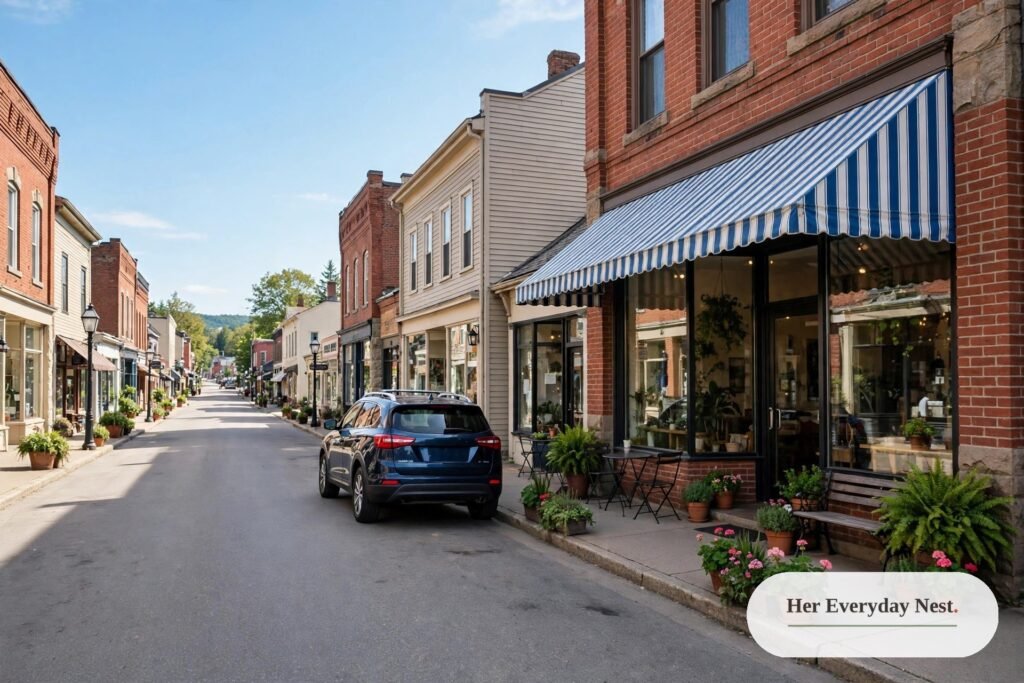
The single biggest saving in budget travel is timing. Shoulder season — the weeks just before and just after peak season — gives you the same place with fewer crowds and lower prices. A Gulf beach in October, a mountain town in late spring, a city in January: the weather is usually still good, the restaurants are still open, and the hotel that charged peak rates in July is suddenly reasonable. Off-season is not second-best. For many places it is the better version, because you can actually get a table and a parking space.
Weekdays beat weekends for the same reason. A Friday-to-Sunday trip pays weekend rates for everything. A Sunday-to-Tuesday trip, if you can swing it, often costs far less for the same rooms and the same sights. If your dates are fixed, book the room early and watch for a price drop — many bookings can be cancelled and rebooked at the lower rate. And avoid the trap of the cheap flight to an expensive weekend: a bargain fare to a city during a major festival or event can be wiped out by hotel prices that tripled for that weekend. For more weekend ideas, see Affordable Weekend Adventures That Won’t Break the Bank.
One more timing habit matters: book the expensive parts early and leave the cheap parts flexible. Flights and lodging get more expensive as the date approaches. Meals, markets, parks, and walks do not need booking at all. Plan the skeleton early, leave the days loose, and you will spend less and enjoy more, because the best budget days are the ones you did not over-schedule.
5. How to Keep a Budget Trip Feeling Special
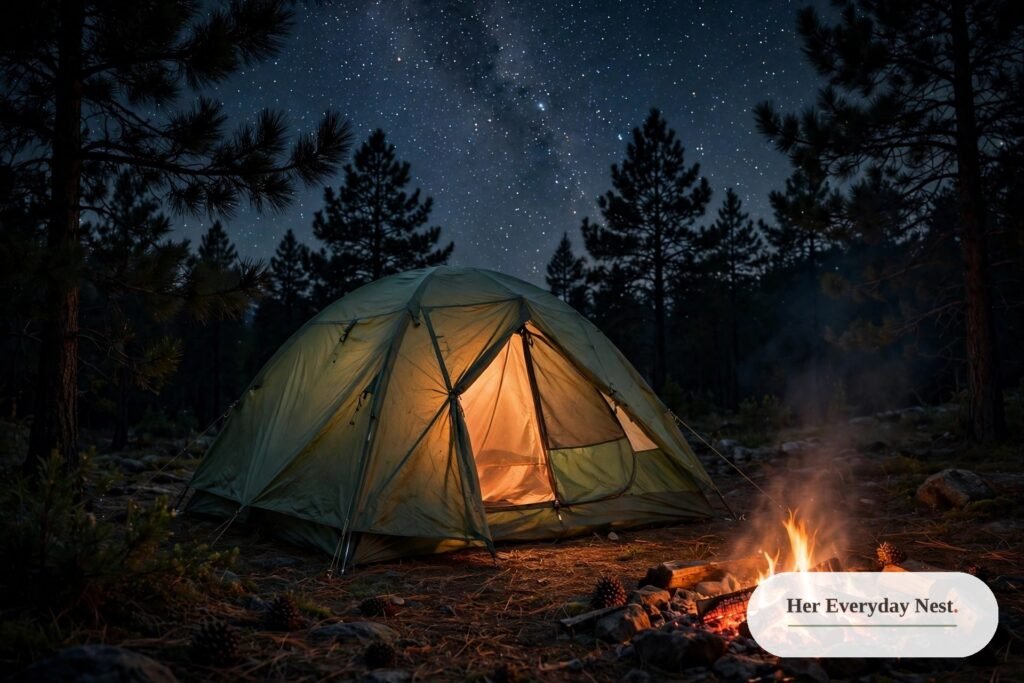
A budget trip fails when it feels like counting pennies all day. It succeeds when it feels intentional. The trick is to spend on one memorable thing per day and save on everything else. One sunset boat ride, one famous bakery, one show, one viewpoint at dawn — a single highlight gives the day its story, and the free walks and picnics around it feel like part of the holiday instead of filler. Families remember the highlight, not the hotel. For more family-focused ideas, see Cheap Vacation Ideas for Families That Actually Feel Fun.
Food is the easiest place to make a cheap trip feel generous. A picnic with good bread, cheese, and fruit from a local market feels more special than a mediocre restaurant meal at twice the price. Cooking one dinner in a rental kitchen, with ingredients from a farmers market, feels like part of the trip rather than a chore. And a local speciality — barbecue in Texas, seafood on the Gulf, peaches in Georgia in season — costs little and gives you a story to tell at home.
Pack for the trip you are actually taking. A cooler, a blanket, reusable bottles, and a first-aid kit turn a park into a picnic and a beach into a full day. Comfortable shoes turn a historic city into a pleasure instead of a blister. And a simple rule helps more than any gadget: decide the daily budget before you leave, in cash or in a note on your phone, and check it once in the evening, not after every purchase. A budget you check once a day feels like a plan. A budget you check constantly feels like a worry.
6. A Sample Weekend Budget You Can Copy

Here is what a two-night weekend trip for two can look like when the rules above are followed. Driving three hours each way: fuel, about $60. Two nights in a cabin or rental just outside the centre, split with another couple or booked off-peak: $120 to $180 per couple. Groceries for breakfasts, picnic lunches, and one cooked dinner: $60. One restaurant dinner out: $60. Parks, hikes, beaches, markets, and free sights: $0 to $20. Total: roughly $300 to $380 for two people for a full weekend away, and less per person for a family that shares a rental.
A family of four in a national park area can do even better, because the park is free and a rental kitchen feeds four for the price of one restaurant meal. A solo traveller can do it differently: a hostel or a small-town motel, a bike or a bus pass, and the same free sights, often for under $200 for a weekend. The numbers move with the destination, but the shape stays the same: transport and lodging dominate, food is flexible, and activities are mostly free if you choose places built around nature and walking.
If that still feels like a lot, start smaller. One night away, two hours from home, with a picnic and a hike, is a real holiday. It breaks the routine, it gives you something to look forward to, and it proves the system works before you commit to a week. Cheap vacations are not a lesser version of travel. They are travel with the expensive parts removed and the good parts kept — and once you have done one well, the next one plans itself.
See also: 20 Affordable Christmas Vacation Ideas.
Frequently Asked Questions About Cheap Vacation Ideas
What is the cheapest vacation in the US?
The cheapest US vacations are usually national park trips, small-town road trips, and Gulf Coast beach towns in the shoulder season, because the main attractions — hiking, beaches, historic streets — are free or cost only a few dollars to enter.
How can I vacation on a tight budget?
Drive instead of flying when the trip is under four hours, stay just outside the centre in a place with a kitchen, eat one restaurant meal a day with market breakfasts and picnic lunches, and choose destinations where walking, parks, and beaches are the main activities.
What is the best month for cheap travel?
Shoulder-season months — late spring and early fall for most beach and mountain destinations, and January for many cities — usually offer the lowest lodging prices with good weather and far fewer crowds than peak season.
Are road trips cheaper than flying?
For short trips and for families, road trips are usually cheaper, because one car carries everyone and there are no baggage fees or airport transfers. Flying can be cheaper for a solo traveller on a long route, especially on a weekday fare booked in advance.
How much should a weekend trip cost?
A two-night weekend trip for two following budget rules typically costs roughly $300 to $380 in total, including fuel, lodging, groceries, and one restaurant dinner, with free parks and sights keeping activity costs near zero. Families sharing a rental often pay less per person.
The Bottom Line (conclusion)
Cheap vacations work when you choose places where the best things are free, travel when prices drop, and spend on one memorable thing a day instead of a little bit on everything. Pick a mountain, a beach, a historic city, or a small town from this list, drive if you can, book just outside the centre, and pack a picnic. The holiday feeling does not come from what you spent. It comes from being somewhere different, with time to enjoy it — and that part has never had a price tag.

Emily Carter is the founder and editor of Her Everyday Nest. After nine years of renting in five apartments across three cities, she's learned how to make any rental feel like home.