Debt Free Story: Kaleb’s $110,000 Debt Journey
Every debt free story starts with a number that feels impossible. For Kaleb Schumann, that number was $110,000 — straight out of graduate school, before he had even earned his first full-time paycheck. What makes his story worth telling is not just the number, though. It is how he crushed it: in 47 months, just under four years, while working as a high school band director and documenting the whole thing for his students to watch.
Kaleb runs a YouTube channel called The Future Millionaire Teacher, where he tracked his debt free journey publicly — partly to stay accountable, and partly to lead by example for the high school and college students who ask him for money advice. Here is how he did it.
How This Debt Free Story Began

Kaleb started his journey in September 2016, right after finishing graduate school. A few months earlier, some classmates had recommended Dave Ramsey’s The Total Money Makeover, and he read it while he was still in school. He did not have a salary yet, but he could not wait to graduate and start earning — because he was already itching to attack the debt.
He describes himself as the type of person who goes all-in. Dave Ramsey’s plan, philosophy, podcasts, and videos became his single source of truth. While there are many valid ways to tackle debt, Kaleb says staying singularly focused on one plan kept him from second-guessing himself every time things got hard.
What $110,000 of Debt Actually Looked Like
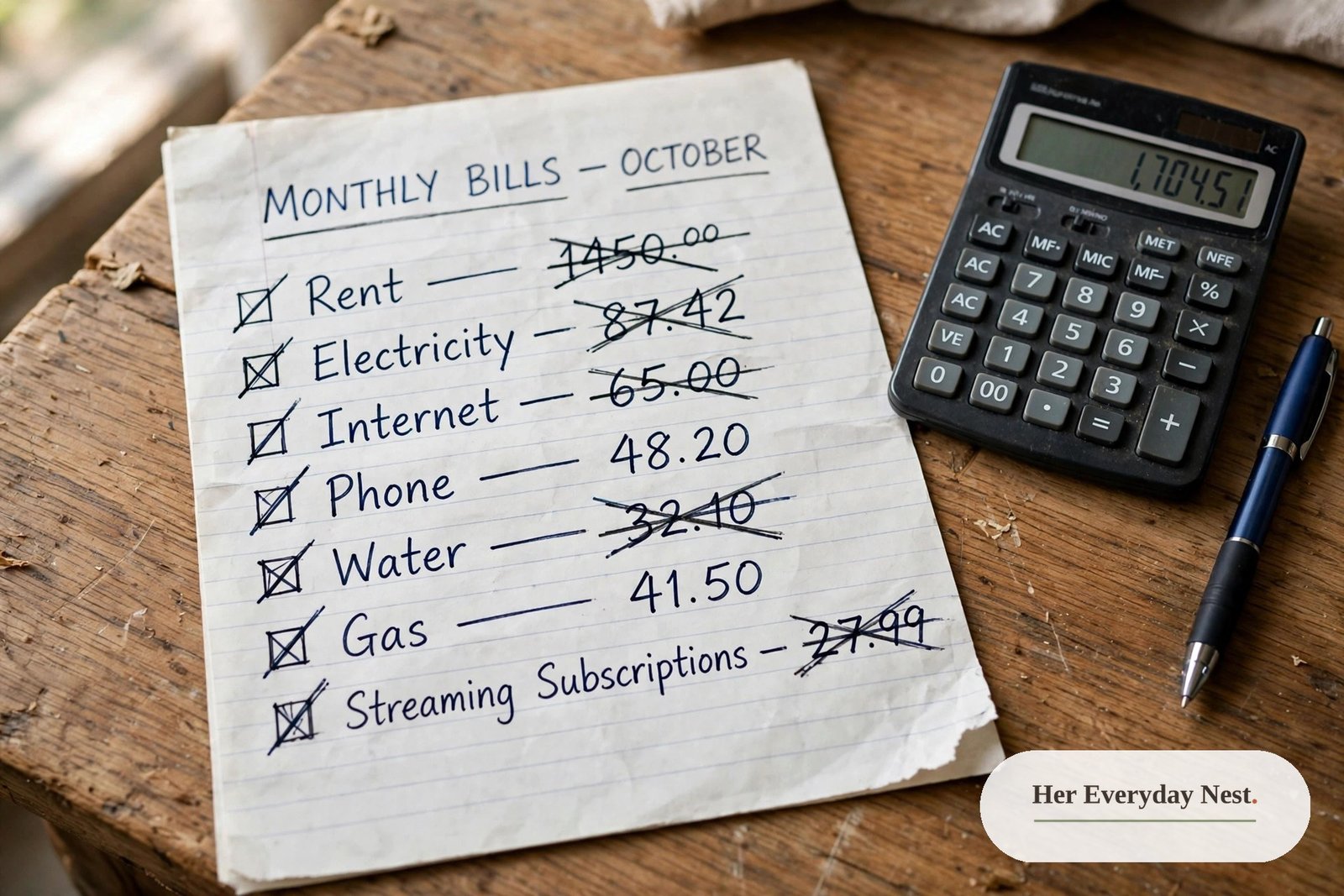
Here is the breakdown, rounded give or take a few thousand:
- $60,000 — student loans ($20,000 undergraduate, $40,000 graduate)
- $15,000 — interest on the student loans
- $10,000 — used car
- $10,000 — medical bills (settled for $4,000)
- $5,000 — French horn (a working tool for a band director)
- $5,000 — credit card
- $5,000 — loan from “The Bank of Mom and Dad”
His income through the journey ranged from $60,000 to $72,500 — a teacher’s salary, not a tech salary. That is what makes this debt free story so motivating: it was done on ordinary income with extraordinary focus. If you want the step-by-step methods behind payoffs like this, our paying off debt tips post breaks them down.
The Debt Snowball and the Summers That Changed Everything

Kaleb was a big believer in the debt snowball method — paying off the smallest balances first for quick wins and momentum. The one exception was the loan from “The Bank of Mom and Dad”: his dad, the “Chief Loan Officer,” let him put that interest-free loan in forbearance until all the interest-bearing debts were gone.
But the real accelerator was how he spent his summers. Kaleb worked with Drum Corps International — essentially a summer marching band program — on the admin team. The group travels the country all summer, so his meals were covered, his housing was covered, and he made a few thousand extra dollars on top. His living expenses dropped to almost zero for the entire summer while his income went up. He says those summers really accelerated his payoff.
For budgeting, he used the EveryDollar app and took an unusual approach: he compartmentalized everything in his head. His internet bill and his Spotify bill were both monthly charges, but Spotify always went under “Optional Subscriptions” — giving himself explicit permission to cut it the moment money got tight. That kind of honest categorization is what separates a budget that works from one that is just decoration.
Staying Motivated for 47 Months

Paying off debt became Kaleb’s singular goal, and he ran every decision through that lens. Big decisions, like skipping vacations with friends. Small decisions, like bringing leftovers when coworkers went out to lunch. Nothing was automatic anymore — everything was a choice.
What kept him going was partly public accountability. His students followed his journey and asked him about financial advice and money matters, which kept him motivated on the days it felt endless. When teenagers are watching you practice what you preach, skipping a payment is not an option.
The Side Hustles and Sacrifices

One of Kaleb’s side hustles turned out to be the easiest money he ever made: teaching English lessons online. From his couch, he held Skype conversations with English learners around the world. The money covered his own Spanish lessons with extra left over to throw at debt every month — and his one regret is not starting it sooner.
He also embraced minimalism in a big way. When he moved from Houston to Fort Worth one summer, he sold everything he could: the mattress, the dining room table, the dressers, the TVs, the game consoles. The extra cash let him buy “matching adult furniture” for the new place and still put money toward his loans. He turned his possessions into payoff fuel.
Want ideas in that spirit? Our side hustles list and money saving tips are full of realistic ways to free up cash without burning out.
His Advice If You Are Starting Your Own Debt Free Story

Kaleb is blunt about it: paying off debt is a mental game, and it boils down to two things.
First, build keystone habits. Track your purchases. Stick to the budget. Learn to say no. Figure out the small habits that ripple into every financial decision you make.
Second, focus on one area of your budget at a time. Some months he focused on income — selling things, teaching extra lessons. Other months he focused on cutting expenses — the utility bill, the grocery bill. Some months he just re-prioritized the surplus, which mostly went to the smallest remaining debt. He found he was most effective focusing on one thing at a time; trying to do everything at once was overwhelming.
Today, Kaleb is free from consumer and interest-bearing debt, with only a few thousand left owed to his parents. He says he cannot wait to take a real vacation, donate to his favorite podcasts, sponsor students for summer camps, buy a friend’s lunch just to say thanks, and finally start investing. After four years of intensity, he gets to enjoy his money.
If his story lit a fire under you, start with a real plan: our emergency fund guide is the safest first step before you throw every extra dollar at debt.
Frequently Asked Questions
How long did it take Kaleb to pay off $110,000?
47 months — just under four years. He started in September 2016 after graduate school and finished paying off his interest-bearing debt the following June, with only a small family loan remaining.
What was Kaleb’s $110,000 debt made of?
About $60,000 in student loans, $15,000 in student loan interest, a $10,000 used car, $10,000 in medical bills (settled for $4,000), a $5,000 French horn, $5,000 in credit card debt, and a $5,000 loan from his parents.
Did Kaleb use the debt snowball or avalanche method?
The debt snowball — paying off the smallest balances first for momentum. The only exception was his parents’ interest-free loan, which his dad let him put in forbearance until the interest-bearing debts were gone.
What side hustles helped Kaleb pay off debt?
Summer admin work with Drum Corps International (near-zero living expenses plus extra pay) and teaching English lessons online from home, which he calls the easiest money he ever made. He also sold most of his possessions when moving cities.
What is Kaleb’s best advice for paying off debt?
Treat it as a mental game: build keystone habits like tracking purchases and sticking to a budget, and focus on one budget area at a time — income, expenses, or surplus — instead of trying to optimize everything at once.

Emily Carter is the founder and editor of Her Everyday Nest. After nine years of renting in five apartments across three cities, she's learned how to make any rental feel like home.